
Maintaining a thriving indoor garden in a grow tent can be an incredibly rewarding experience. However, the presence of most common gardening pests can quickly turn your plant sanctuary into a battleground. Unwanted visitors like aphids, spider mites, or fungus gnats can wreak havoc on your indoor plants, stunting growth, and causing significant damage. To protect the health and vitality of your indoor garden, it’s crucial to implement effective natural pest control strategies.
In this blog, we will delve into the world of grow tent pest control and explore a variety of techniques to keep those pesky intruders at bay.
Common Pests in Grow Tents
Aphids:
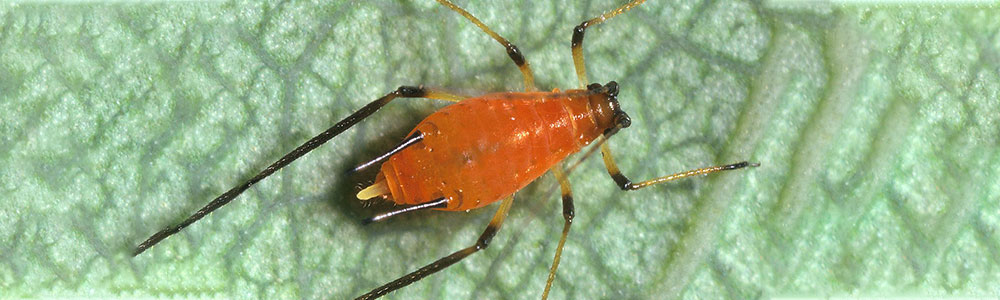
Aphids are small insects that come in various colors and are often found clustered on the undersides of leaves. They feed by sucking the sap from indoor plants, causing leaves to curl, wilt, and distort. And Aphids reproduce rapidly, and their presence can lead to the spread of plant diseases.
Spider Mites:
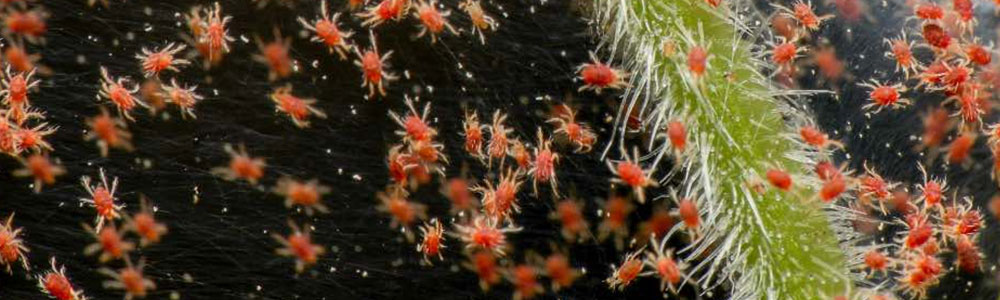
Spider mites are tiny arachnids that are difficult to detect without magnification. They thrive in warm and dry conditions, spinning fine webs on the leaves and sucking the plant’s fluids. Spider mite infestations can cause yellowing leaves, stippling, and general decline in plant health.
Fungus Gnats:
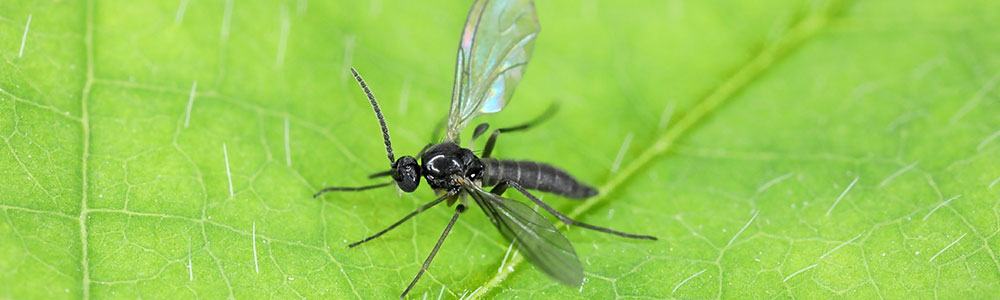
Fungus gnats are small flying insects that resemble tiny mosquitoes. Their larvae live in the moist soil of potted plants, feeding on organic matter and plant roots. Fungus gnat infestations can stunt plant growth, weaken root systems, and make plants more susceptible to diseases.
Whiteflies:
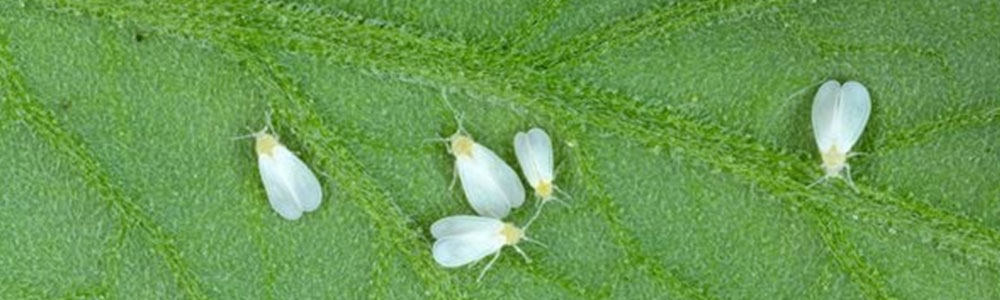
Whiteflies are tiny, winged insects that are often found in large numbers on the undersides of leaves. They suck plant sap and excrete a sticky substance called honeydew, which can lead to the growth of sooty mold. Whitefly infestations can cause leaf yellowing, wilting, and reduced plant vigor.
Thrips:
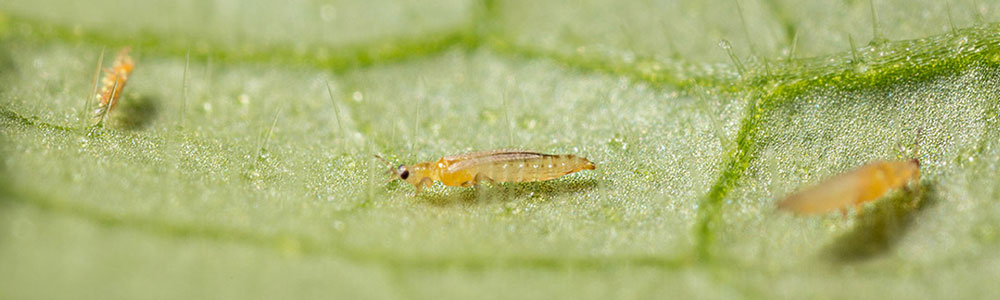
Thrips are slender, tiny insects that have fringed wings. They pierce plant tissue and suck out the juices, causing silvery streaks, distorted leaves, and a generally unhealthy appearance. Thrips can also transmit plant viruses, leading to further damage.
Mealybugs:
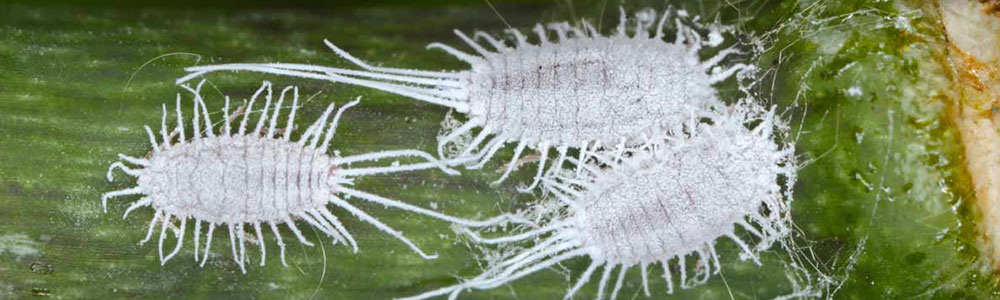
Mealybugs are soft-bodied insects covered in a white, waxy substance. They cluster on plant stems, leaves, and in leaf axils, feeding on plant sap. Mealybug infestations can weaken plants, cause leaf yellowing, and lead to the development of sticky honeydew and sooty mold.
Scale Insects:
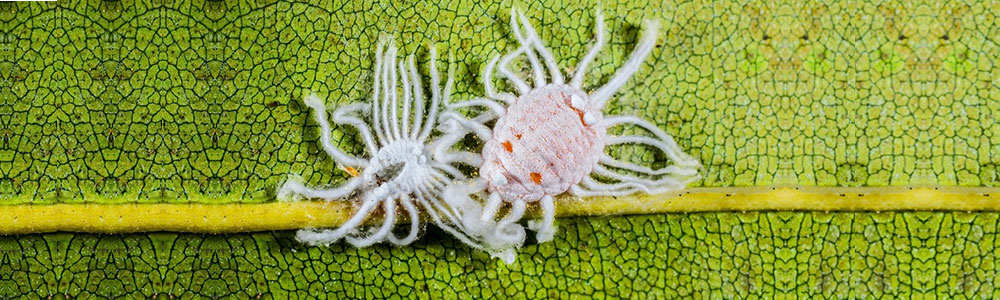
Scale insects are small, immobile pests that have a protective shell-like covering. They attach themselves to plant stems and leaves, sucking sap and weakening the plant. Scale infestations can cause leaf yellowing, stunted growth, and sooty mold development.
How to Achieve Grow Tent Pest Control?
Prevention is key when it comes to keeping flying pests at bay in your indoor grow room. By implementing proactive measures, you can create an environment that discourages indoor pests from invading your plants. Here are some effective strategies to prevent pests in your grow tent:
Start with Healthy Plants:
Begin your indoor gardening journey with healthy plants from reputable sources. Inspect them thoroughly before introducing them into your grow tent. Healthy plants are less susceptible to pests and diseases, providing a solid foundation for a pest-free environment.
Maintain Strict Hygiene:
Regular cleaning and maintenance are essential for preventing pest infestations. Clean your grow tent, gardening equipment, and tools regularly to remove any debris, dead plant material, or traces of pests. Ensure that all surfaces are disinfected, as pests can lay eggs or hide in tiny crevices.
Use Sterilized Growing Media:
Use sterilized soil or growing media for your plants. Sterilization helps eliminate potential pests, eggs, and pathogens present in the growing medium, reducing the risk of infestations.
Quarantine New Plants:
Before introducing new plants into your grow tent, quarantine them for a few days in a separate area. This period allows you to closely monitor the plants for signs of pests or diseases. And it prevents potential infestations from spreading to your established plants.
Maintain Proper Environmental Conditions:
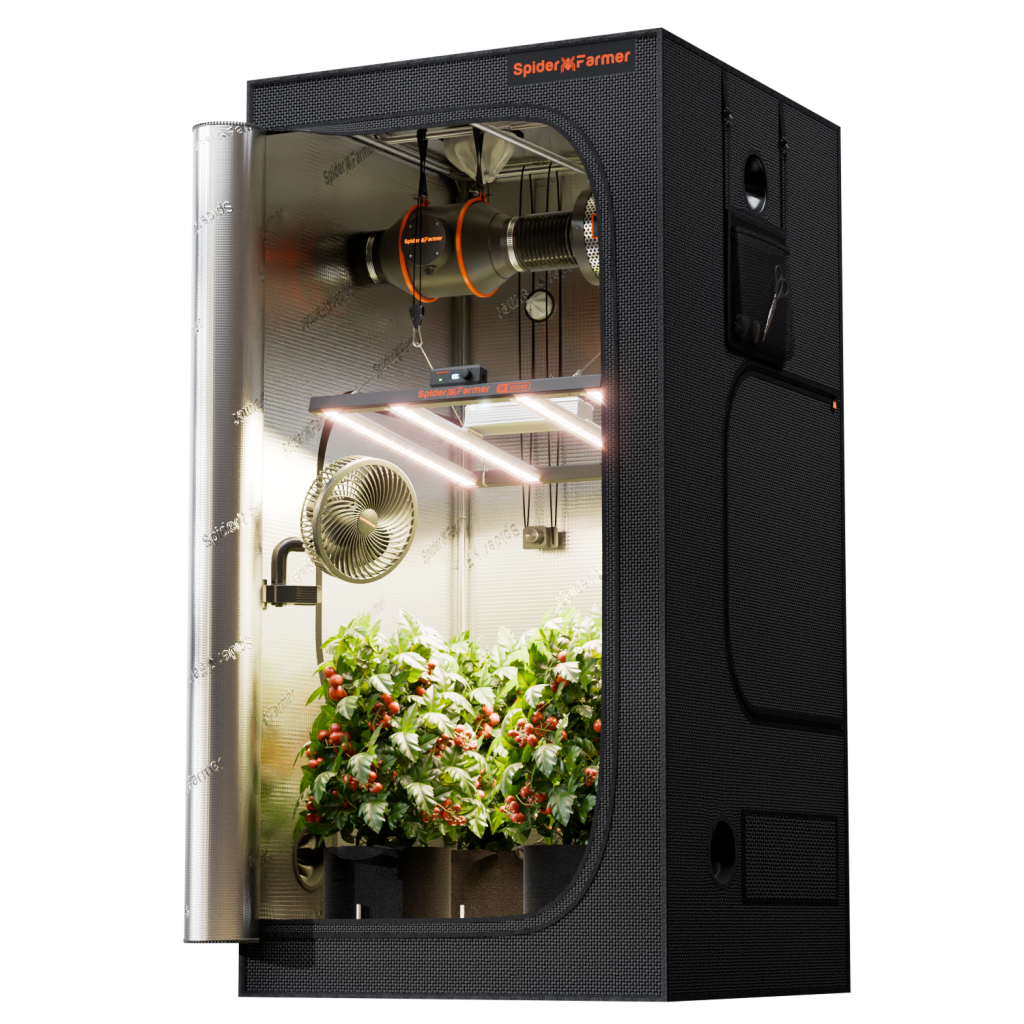
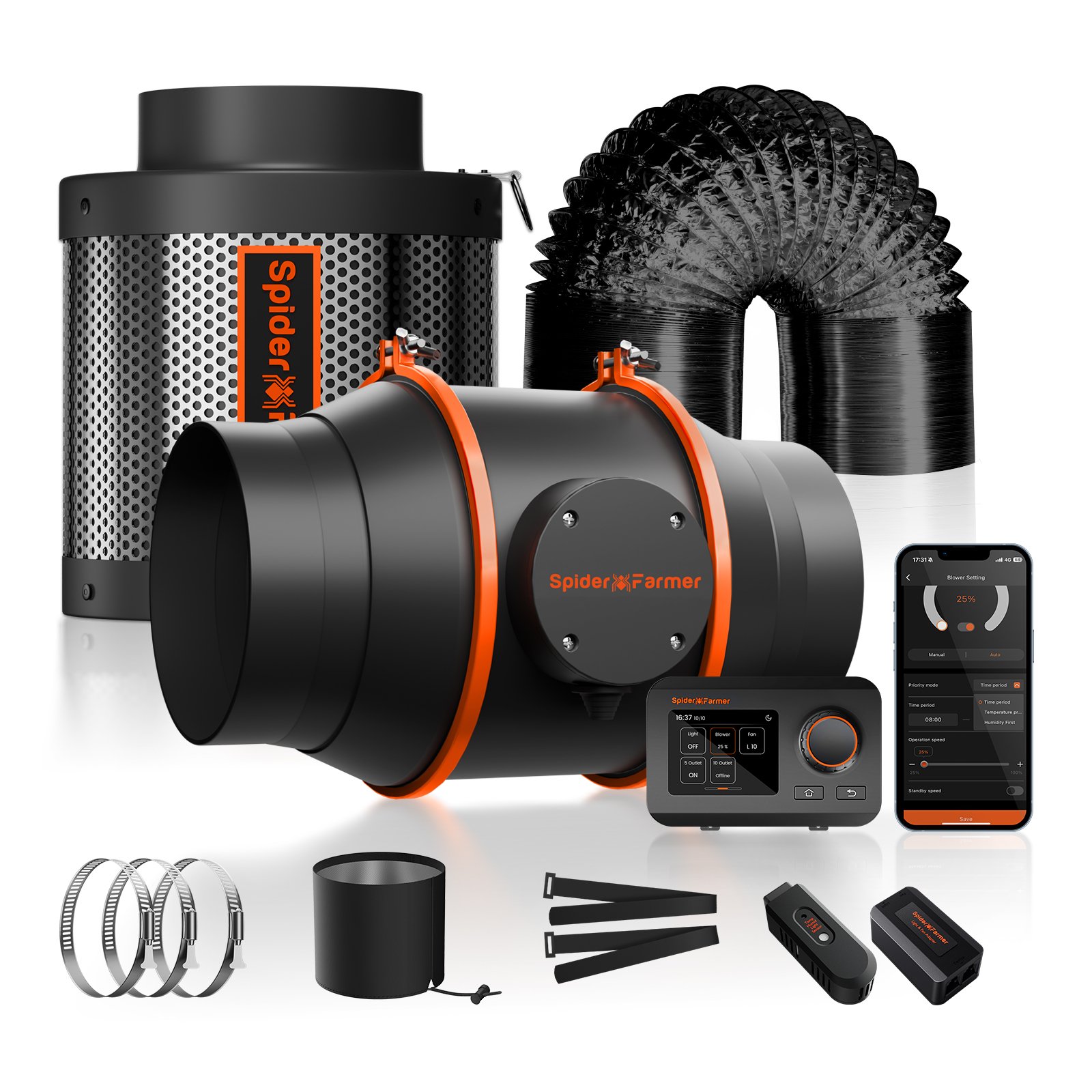
Creating a healthy environment for your plants can deter pests. Proper temperature and humidity control, along with adequate ventilation and airflow, promote robust plant growth and make it less favorable for pests to thrive.
Regularly Inspect Plants:
Implement a routine inspection schedule to check your plants for any signs of pests or diseases. Look for visible pests, sticky residue, discolored leaves, or any other abnormalities. Early detection enables you to take immediate action and prevent the infestation from spreading.
Implement Integrated Pest Management (IPM):
Integrated pest management combines various strategies to control pests effectively. It involves using a combination of cultural, biological, and if necessary, chemical methods. This approach minimizes the use of pesticides and focuses on long-term prevention and sustainable pest management.
Encourage Beneficial Insects:
Introduce beneficial insects such as ladybugs, predatory mites, or lacewings into your grow tent. These natural predators can help control common pests by feeding on them, reducing their populations organically.
Practice Good Watering Habits:
Overwatering can create a favorable environment for garden pests like fungus gnats. Water your plants appropriately, allowing the soil to dry out between waterings. This helps discourage garden pests that thrive in damp conditions.
Practice Proper Indoor Plants Spacing and Pruning:
Avoid overcrowding your plants and provide adequate space between them. Good airflow and light penetration help create an unfavorable environment for preventing pests. Regularly prune and remove any dead or damaged plant parts to prevent pests from finding hiding spots.
Conclusion
Successfully avoiding pest infestation in your grow tent is crucial for maintaining a thriving and healthy indoor gardens. By implementing preventive measures and practicing proactive pest management, you can create an environment that deters harmful pests and promotes optimal plant growth. From starting with healthy plants and maintaining strict hygiene to implementing integrated pest management techniques, each step plays a vital role in safeguarding your plants from unwanted invaders.
If you have other questions about pests control, please feel free to contact us. Spider Farmer will always be glad to provide you with grow guides.

Leave a reply
You must be logged in to post a comment.