
Understanding Seedling Water Needs
Seedlings have specific water requirements that differ from mature plants. Factors such as container size, soil type, and plant growth stage can determine their water needs. Let’s check them out.
- Container Size: Soil in smaller pots or cell trays dries out faster than in larger containers. Consequently, larger plants require less frequent watering.
- Seedling Age: Seeds that have just germinated generally need more water compared to older seedlings with established roots. It’s important to keep the soil consistently moist for germinating seeds and then gradually reduce watering to every other day or a few days apart once the seedling develops true leaves.
- Soil Type: Seed-starting mixes or soil blends rich in organic matter, such as peat moss, coco coir, or compost, are better at retaining moisture for extended periods.
- Temperature: In warmer climates or hot greenhouses, the soil surface tends to dry out quicker due to evaporation. Seedlings in cooler climates usually don’t need as much water.
- Humidity: Dry conditions can lead to faster drying of the soil around a seedling’s roots. Conversely, in high-humidity environments, the frequency of watering is generally lower.
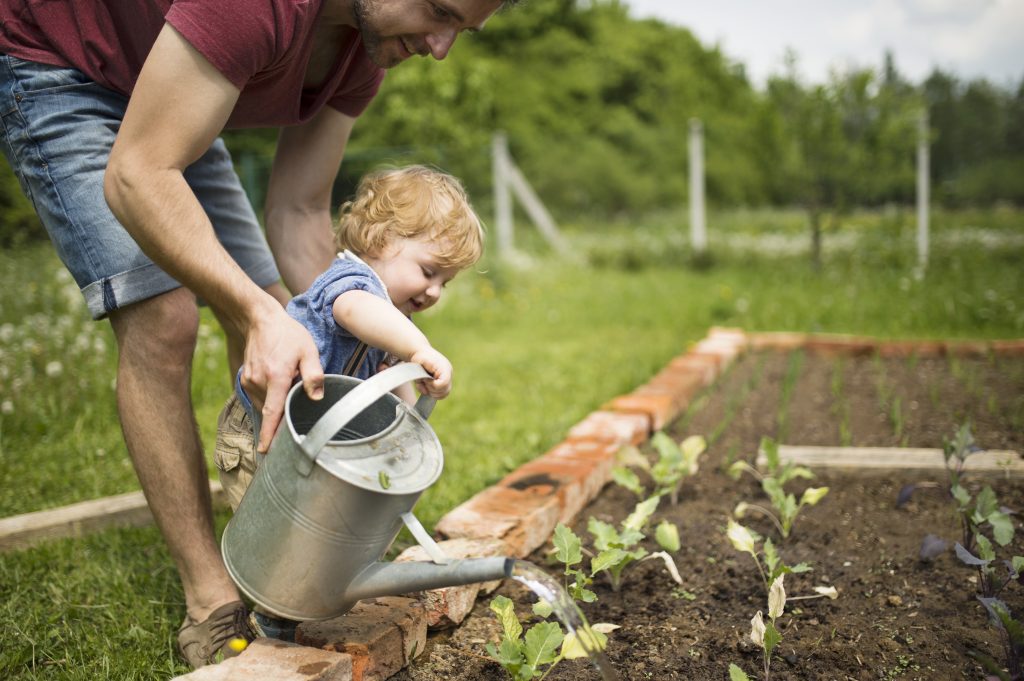
Signs of Overwatering & Underwatering Seedlings
Your seedlings are most vulnerable and require the most attention during the first 3-5 weeks of their growth. Therefore, striking the right balance between under-watering and over-watering is vital during this period of growth. What do overwatering and underwatering seedlings look like? Here are some references you may take a look at.
Overwatering
- Soggy Soil: Constantly wet soil is a clear sign of overwatering. Seedlings need moist, not waterlogged, conditions.
- Yellowing Leaves: If you notice the leaves turning yellow, particularly at the bottom of the plant, it’s often a symptom of too much water.
- Stunted Growth: Overwatered seedlings may show slow or stunted growth as excess water suffocates the roots and hampers their development.
- Wilting: Ironically, overwatered plants can wilt just like underwatered ones. This happens because the roots are damaged and can’t absorb water properly.
- Root Rot: One of the most severe consequences of overwatering is root rot, where the roots turn brown or black and become mushy. It’s often accompanied by a foul smell.
Underwatering Seedlings
- Dry Soil: If the soil feels dry to the touch and is pulling away from the edges of the container, it’s a sign the seedlings are not getting enough water.
- Drooping Leaves: Leaves that droop and look limp are a common indication of insufficient water.
- Brittle, Brown Leaves: When seedlings lack water, their leaves can become dry, brittle, and turn brown, starting from the tips.
- Slow Growth: Underwatered seedlings will often grow more slowly than healthy ones, as they lack the necessary moisture to develop properly.
How to Water Seedlings
Here we are. This section will offer general guidelines on the frequency of watering seedlings. With everything mentioned above, it’s important to tailor these recommendations to the specific needs of your plants for optimal growth.
1. Finger Test the Soil before Watering Seedlings
Imagine a scenario where a person gently probes the soil of young, delicate seedlings with their fingers. These seedlings, housed in peat pots and basking in the light of a windowsill, feature thin, slightly hairy, pale green stems and small, rounded leaves. By inserting your finger about an inch deep into the soil, you can gauge the need for water.
- If your finger emerges clean, without any soil clinging to it, the soil is excessively dry. Immediate watering is needed. Aim for deep watering that reaches the lower soil layers or causes water to drain out from the bottom of the container.
- A finger that comes out with a bit of soil indicates a good moisture level. The soil is moist enough for the seeds to thrive. You might add a light sprinkle of water, but avoid heavy watering.
- If your finger is coated with soil, much like batter on a spoon, it suggests that the soil is too wet and possibly waterlogged. In this case, allow the soil to dry for a day or two before watering again.
2. How Much to Water the Seedlings
It’s hard to name a certain amount of water whenever you water the seedlings, just like the frequency. A general rule is to use approximately a quarter to half a cup of water for small seedlings in individual pots or cells. Adjust this amount based on the size of the container and the water retention capacity of the soil.
3. Best Way to Water Seedlings
There is more than one way to water the seedlings, for example, you may use a hose, a watering can, or drip irrigation. Which method is a more recommended one? Based on the feedback of many growers, using a hose to water seedlings in the garden is proven to be a straightforward and effective method.
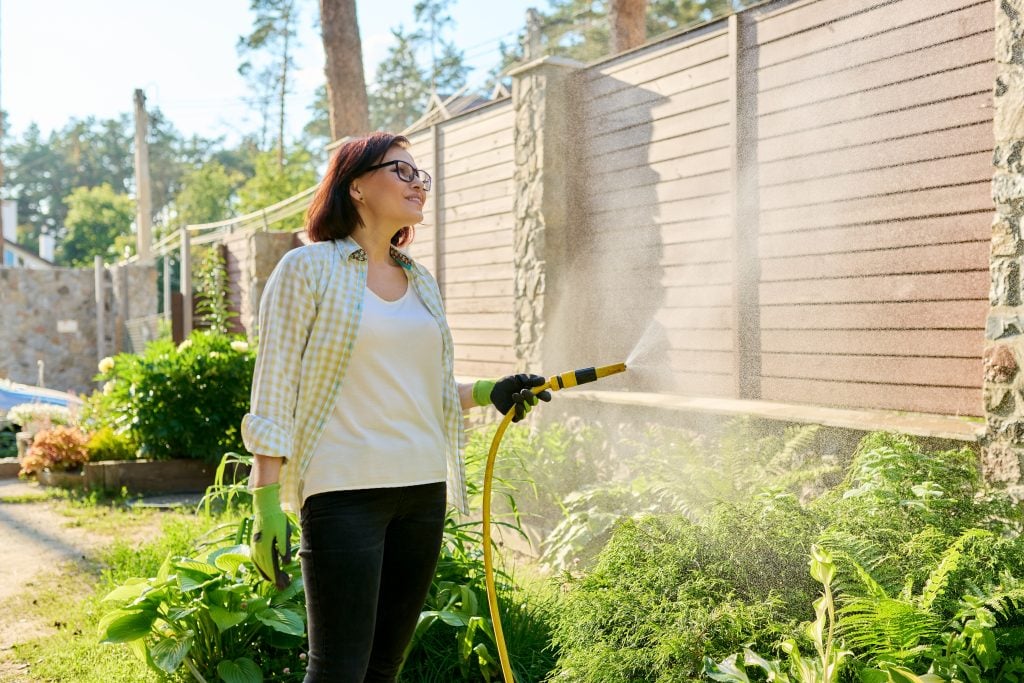
A garden hose is particularly useful for watering outdoor seedlings or plants in a nursery setup. It’s ideal for watering large gardens or multiple plants quickly and efficiently, saving time compared to other methods like watering cans. With a hose, you can also easily control the flow and pressure of water. This flexibility allows for gentle watering for delicate seedlings or more robust flow for established plants.
Conclusion
Mastering the art of watering seedlings is a fundamental skill for any gardener. By understanding the unique needs of your seedlings and adapting your practices to their environment, you can ensure their healthy growth and development. The most accepted frequency on how often to water seedlings is every day or every other day, but you should tailor-make the routine based on real-life circumstances.
FAQs about Watering Seedlings
- What is the best time of day to water seedlings?
The optimal time for watering is early morning or late afternoon, which reduces evaporation and allows water to reach the roots effectively.
- How does the type of container affect watering frequency for seedlings?
Container material and size can influence how quickly soil dries out. For instance, clay pots may require more frequent watering compared to plastic ones.
- Is it better to water seedlings with a watering can or a hose?
A watering can with a fine rose attachment is often better for seedlings as it delivers water gently, minimizing soil disturbance and reducing the risk of seedling damage.


Leave a reply
You must be logged in to post a comment.